The first bite
Describe the flavor balance, texture, size, and finish. Is the appeal a familiar favorite, an unexpected combination, or a particular way of enjoying it?
JWL SUPPLY / CONCEPT & R&D
Turn a confectionery idea into a more useful brief. Explore the flavor, texture, format, and eating experience you want to create, with the practical questions in view.
Start a development brief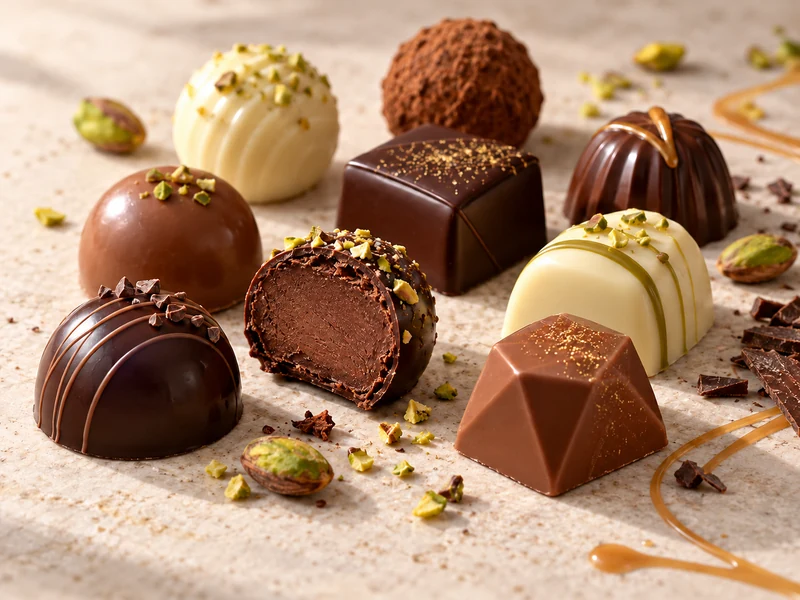
You do not need a finished formulation to begin a conversation. A clear description of what matters is a useful first step.
Describe the flavor balance, texture, size, and finish. Is the appeal a familiar favorite, an unexpected combination, or a particular way of enjoying it?
Tell us who it is for and the occasion it serves. A sharing snack, a gift, and an individual treat may call for different product decisions.
Include your intended sales channel, packaging direction, estimated demand, and planning window. Mark assumptions clearly so they can be discussed.
A MORE USEFUL DEVELOPMENT CONVERSATION
Separate the characteristics central to your concept from preferences you are open to changing. Explain the purpose behind each requirement.
Let us know whether you have an inspiration, a written brief, or an existing product. Describe earlier work in general terms.
Discuss what needs development, what sampling may involve, and what must be resolved before manufacturing planning. Scope, costs, and timing need individual review.
Yes. Describe what appeals to you and the experience you want to create. A reference is a starting point for discussion; feasibility and the development approach still need review.
Keep the first inquiry general. Describe your product stage and where you need help without including confidential recipes, formulations, or sensitive documents.
Sampling requirements, availability, development work, and related costs are discussed for the project. An initial inquiry does not confirm a sample program or production slot.
Tell us what excites you, what you already know, and which questions are still open.