What are we making?
Describe the confection, preferred format, and intended eating experience. Note whether the product is a concept, a sample, or already established.
CONFECTIONERY MANUFACTURING
Connect your product direction with a manufacturing conversation. We review where the project stands, what it needs, and the practical questions that shape production planning.
Discuss your production brief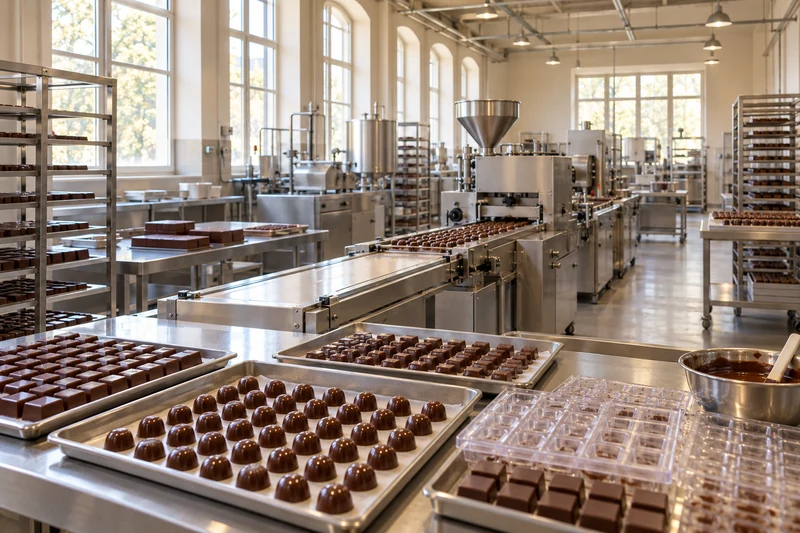
START WITH THE PRODUCT
You don’t need every answer before getting in touch. Sharing what you know helps identify the work still to be defined.
Describe the confection, preferred format, and intended eating experience. Note whether the product is a concept, a sample, or already established.
Tell us which decisions have been made and where you need development input. Start with a general outline, without confidential formulations.
Share an estimated quantity and whether it refers to one order or a longer period. A rough range is useful if plans are still developing.
Explain your packaging direction, brand requirements, and intended sales channel. Open questions can be included in the brief.
Include your planning window or desired launch date. Timing is an input for discussion; a production timeline needs project review.
Flag sampling needs, product requirements, or commercial questions so they can be part of the conversation from the beginning.
FROM BRIEF TO PLAN
Production planning begins with the specifics of your confection. The discussion should connect the product, the scope, and the next step.
Still developing the concept?Discuss the product direction and whether further development or clarification is needed before manufacturing can be planned.
Review format, quantities, packaging responsibilities, timing, and any project-specific requirements.
Discuss sampling, outstanding decisions, and commercial scope before proceeding with agreed work.
CURIOUS ABOUT THE PROCESS?
Explore general explanations of panning and enrobing in our chocolate-making gallery. The imagery is illustrative; specific product formats and production options are reviewed for each project.
Explore panning & enrobing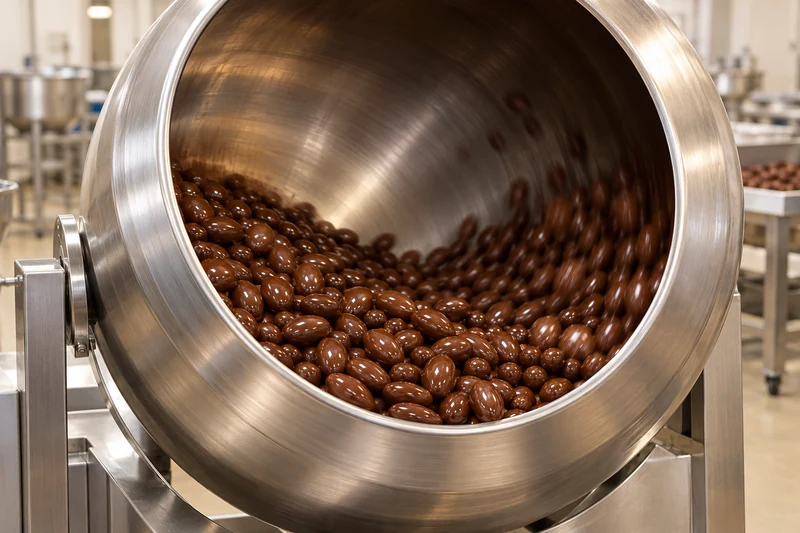
PRODUCTION QUESTIONS
Yes, you can begin a discussion with a general description of the product, what is already established, and what manufacturing input you need. Project fit and requirements still need review.
Minimum quantities, production timing, and commercial terms depend on the reviewed project scope. An estimated volume and target date help frame the initial discussion; they are not a confirmed order or schedule.
Identify any product, packaging, documentation, or handling requirements in your general brief. Their applicability and feasibility must be reviewed for the individual project before commitments are made.
YOUR PRODUCT. THE NEXT CONVERSATION.
Tell us what is defined, what is still open, and what you want to achieve.